

Lovina Festival Performances
THE PANYEMBRAMA MASS DANCE
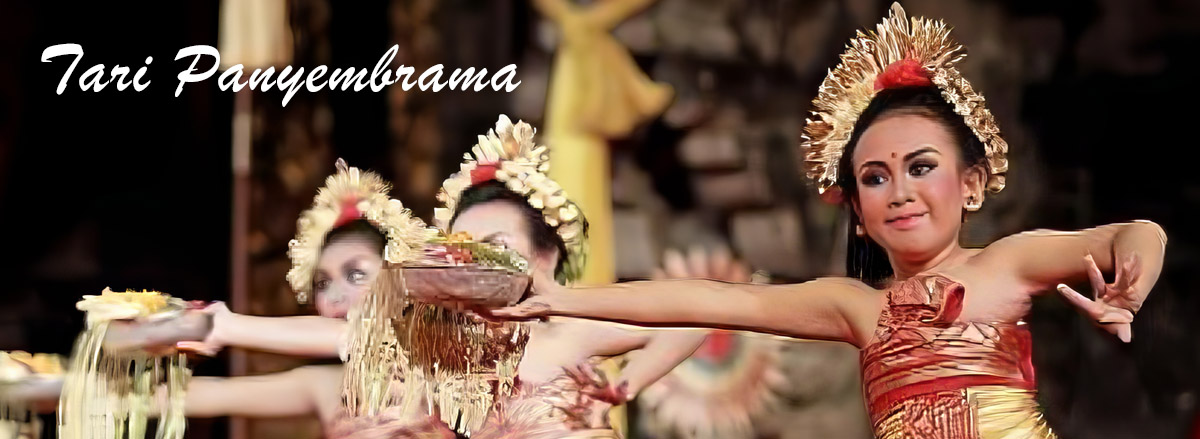
The Panyembrama mass dance is a grand and vibrant traditional Balinese dance performance involving a large group of 500 dancers, showcasing the island's rich heritage and artistic expression through intricate and synchronized movements. With dozens or hundreds of dancers wearing colorful and ornate costumes, the performance creates a mesmerizing visual effect.
Often performed during significant events like festivals and official ceremonies, the dance symbolizes community, unity, and cultural pride, highlighting the importance of tradition and cooperation. At the upcoming Lovina Festival 2025, this iconic dance will be performed by 500 dancers, making it one of the most spectacular cultural highlights of the event. This mass performance promises to be a breathtaking experience that showcases the beauty and richness of Balinese culture on an extraordinary scale.
This event will take place on July 24-07-2025 at the Binaria Stage and the Tasik Maduh Stage
MEGOAK-GOAKAN PERFORMANCE
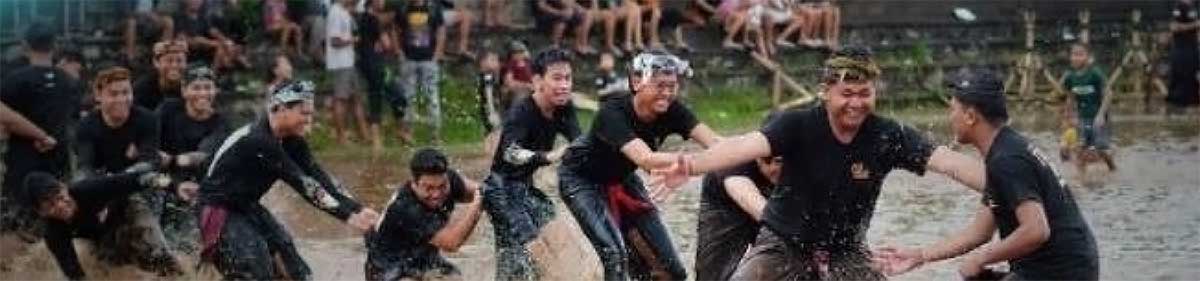
Megoak-goakan is a traditional performance from Panji Village, Buleleng, Bali, with roots in the 17th-century Buleleng Kingdom. Initiated by King Ki Barak Panji Sakti, the game was designed to boost troop morale during conflicts. In the game, one player acts as a "crow" trying to catch the "tail" of a "snake" team formed by players holding onto each other's waists. The "snake's" head must protect its tail, symbolizing unity, leadership, and resilience. Played on wet or muddy ground, Megoak-goakan is not just a game but a living heritage that embodies struggle, teamwork, and cultural preservation, while developing physical and mental skills.
This event will take place on July 24-07-2025 at the Tasik Madu Stage
Lovina Fragment Dance
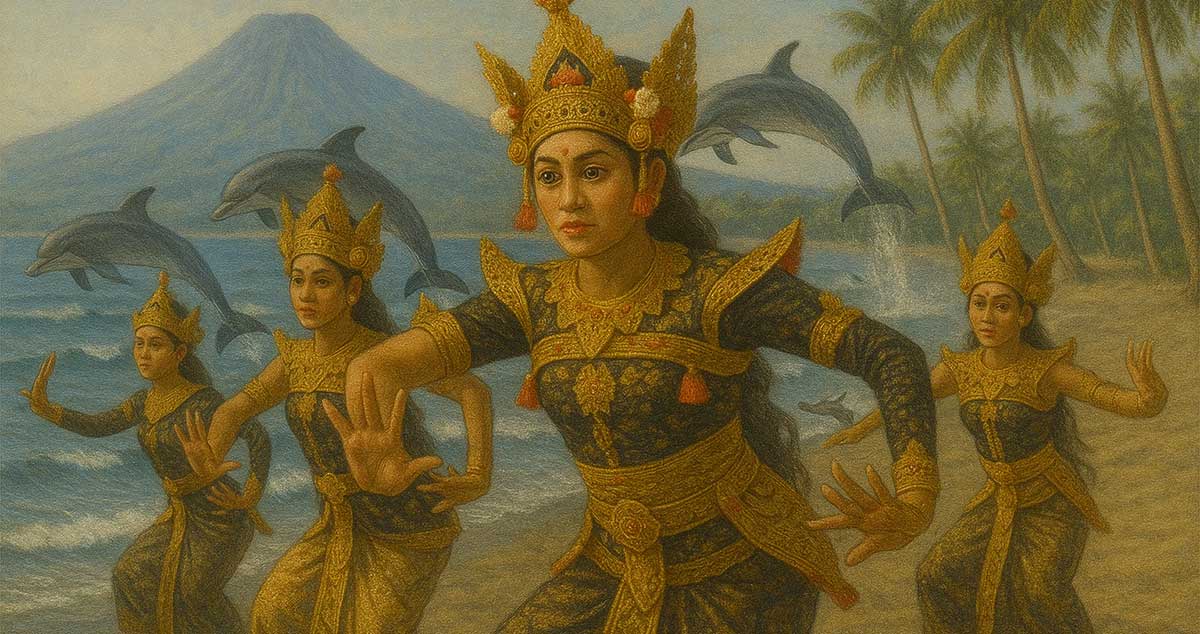
This event will take place on July 24-07-2025 at the Tasik Madu Stage
KECAK DANCE
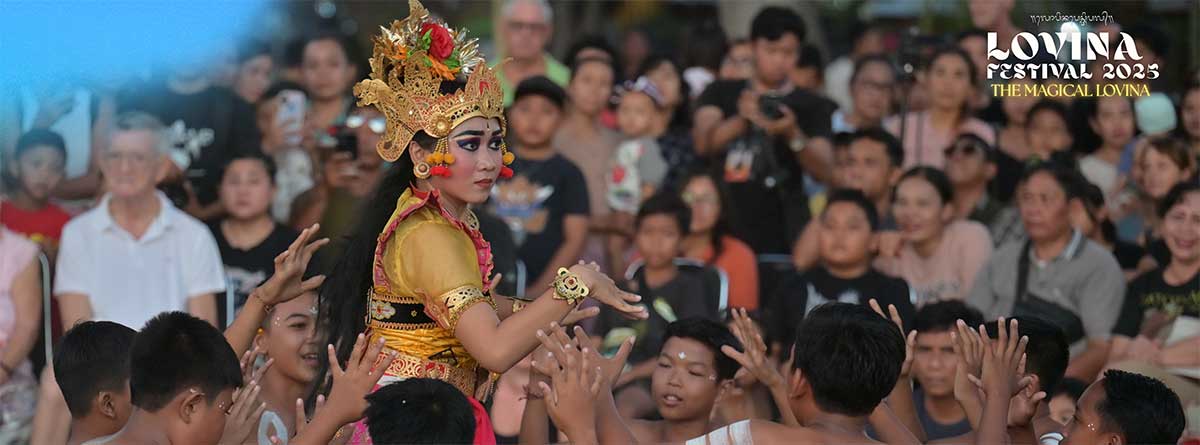
The Kecak Dance is a mesmerizing traditional Balinese performance that brings the Ramayana epic to life. What sets it apart is the unique use of a male chorus, who chant "cak-cak-cak" in rhythmic unison, replacing traditional instruments. This haunting soundscape accompanies the dramatic dance movements, often performed at sunset against a stunning temple or sea backdrop. The performance tells a timeless story of good vs. evil, loyalty, and perseverance, making it a captivating experience for audiences.
This event will take place on July 25-07-2025 at the Tasik Madu Stage
SANG HYANG PENYALIN DANCE
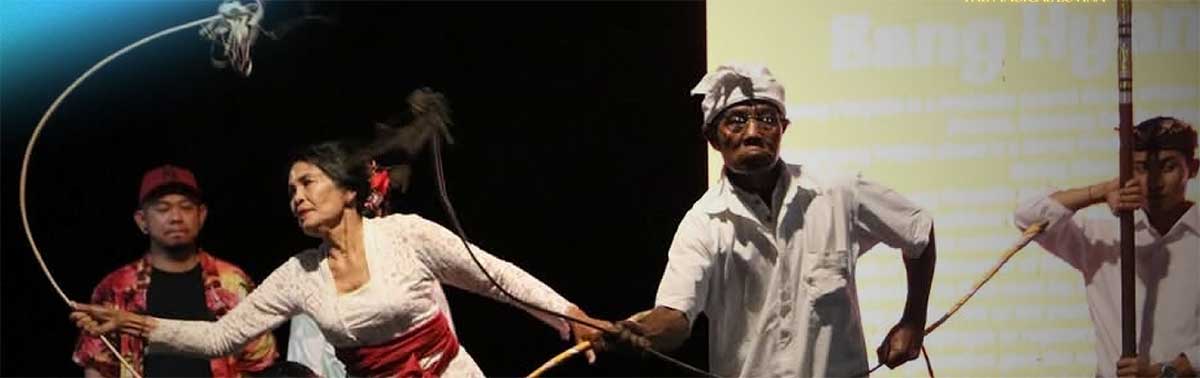
The Sang Hyang Penyalin Dance is a sacred and ancient trance dance from Desa Pancasari, Buleleng, Bali. Performed to ward off misfortunes and negative energies, this ritual involves individuals entering a trance state, believed to be possessed by ancestral spirits or deities, while holding consecrated rattan sticks. As sacred chants and incense are offered, the sticks are imbued with spiritual power, guiding the dancers' movements. The dance is a powerful expression of communal prayer, seeking protection and balance for the village, and serves as a connection to the divine.
This event will take place on July 25-07-2025 at the Tasik Madu Stage
GAMBUH DANCE
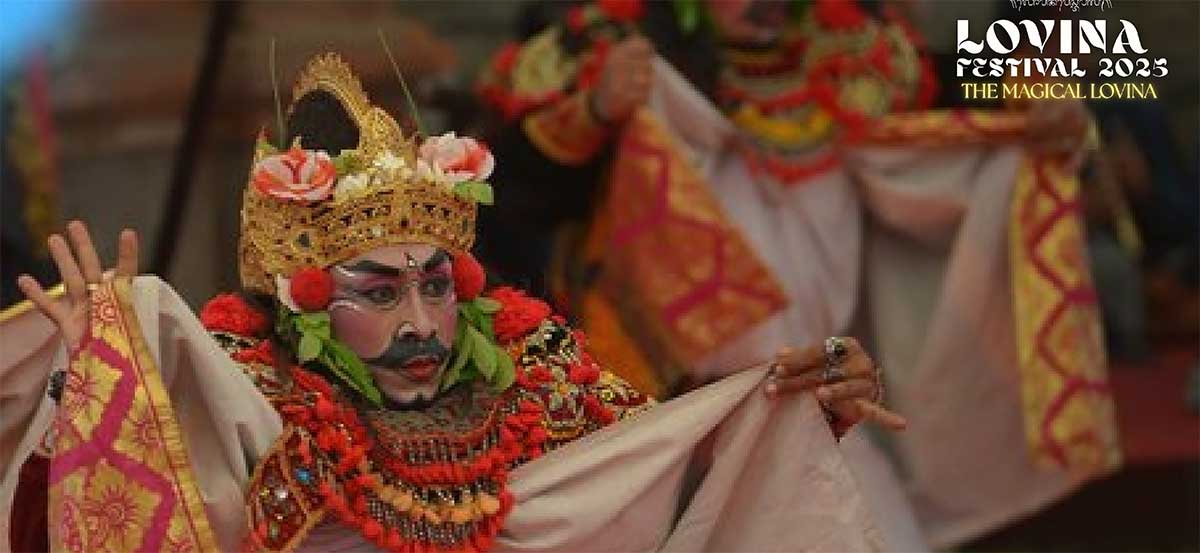
Gambuh Dance from Buleleng is an ancient and refined dance-drama, considered one of the oldest surviving forms of Balinese performing arts. It tells romantic tales from the Panji cycle, depicting Prince Raden Panji's adventures as he searches for his fiancée. Characterized by a unique blend of dance, music (featuring distinctive long bamboo flutes), and intricate dialogue in the archaic Kawi language, Gambuh is a sacred and rarely performed art form. Historically a courtly art, it is now preserved in a few villages, including Anturan in Buleleng, and is often performed during temple ceremonies.
This event will take place on July 26-07-2025 at the Tasik Madu Stage
WAYANG WONG DANCE
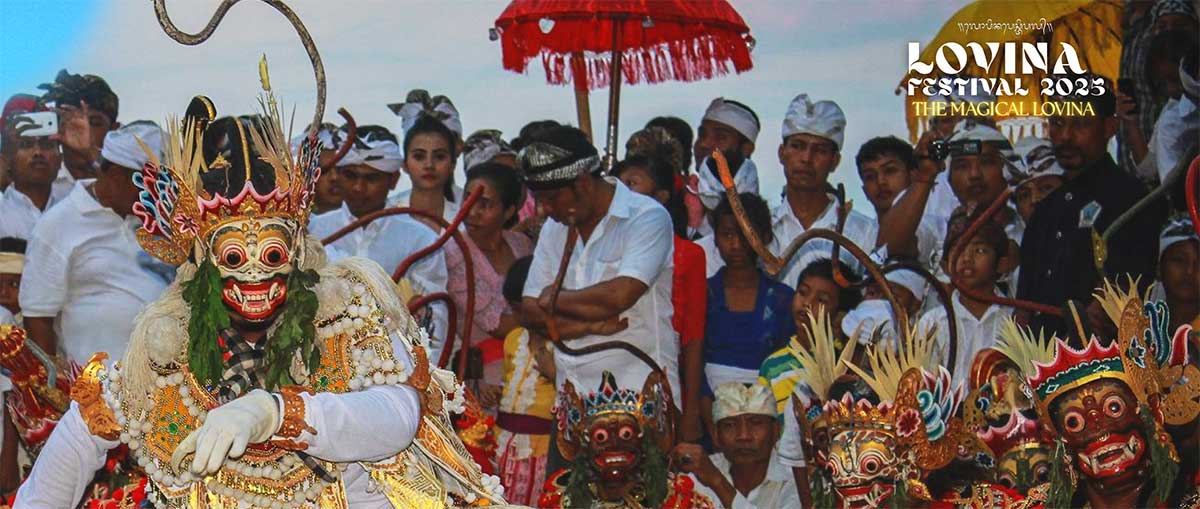
Wayang Wong is a sacred Balinese dance drama from Buleleng, particularly Tejakula Village, recognized as a UNESCO Intangible Cultural Heritage. Featuring human performers in elaborate masks, it brings to life characters from the Ramayana epic. This ritualized art form is deeply rooted in the community's spiritual life, often performed during temple ceremonies and religious holidays. Combining dance, drama, music, and dialogue in the ancient Kawi language, Wayang Wong conveys profound moral and cultural values, offering a comprehensive theatrical experience that entertains and educates.
This event will take place on July 26-07-2025 at the Tasik Madu Stage
JOGED MEBARUNG
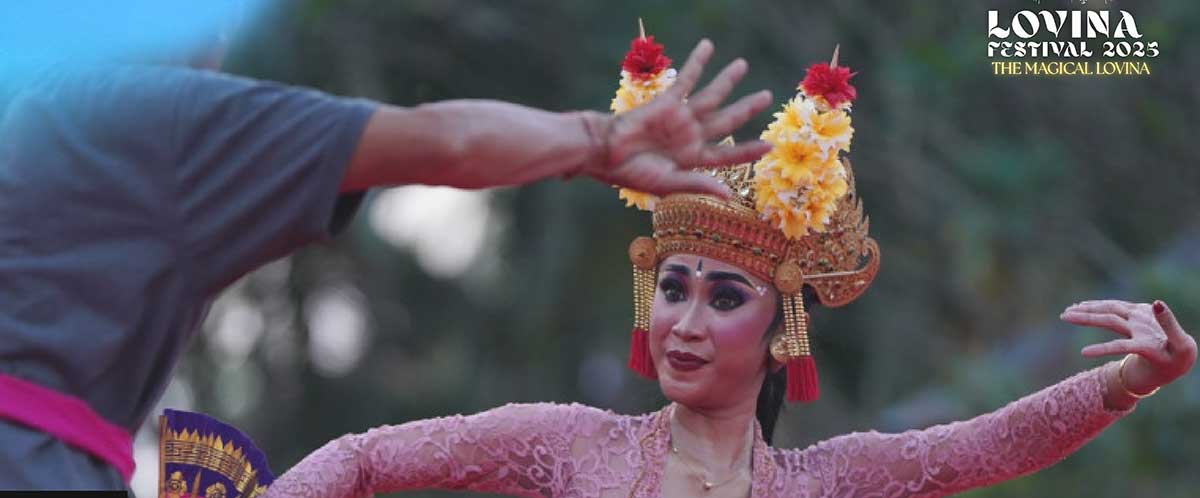
Joged Mebarung is a competitive variation of the Balinese Joged Bumbung dance, where two or more jegog ensembles, featuring giant bamboo instruments, compete to accompany their Joged dancers. This competition showcases the virtuosity of musicians and dancers, highlighting their skill, improvisation, and the resonant sounds of the bamboo gamelan. The "mebarung" element adds a layer of artistic rivalry, elevating the performance beyond entertainment to a display of artistic prowess within Balinese community events.
This event will take place on July 26-07-2025 at the Tasik Madu Stage
PERANG PRAK-PAK
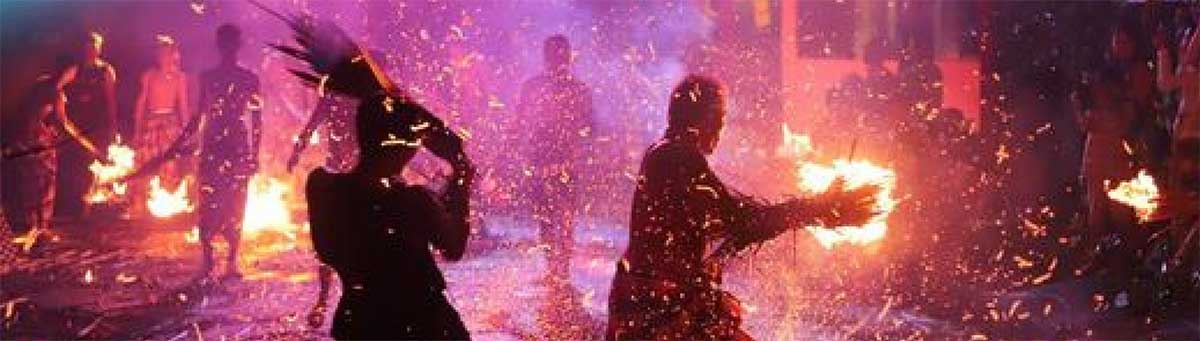
Perang Prak-Pak is a unique tradition from Buleleng, Bali, where young men engage in a mock battle using ignited torches made from dried coconut leaves. Performed on the eve of Nyepi, the ritual aims to channel and dissipate negative emotions, particularly anger and revenge, to welcome the Saka New Year with a clean slate and strengthen communal bonds. Despite the use of fire, the focus is not on winning or losing, but on cleansing and unity.
This event will take place on July 27-07-2025 at the Tasik Madu Stage
LEGENDARY BULELENGS GONG KEBYAR
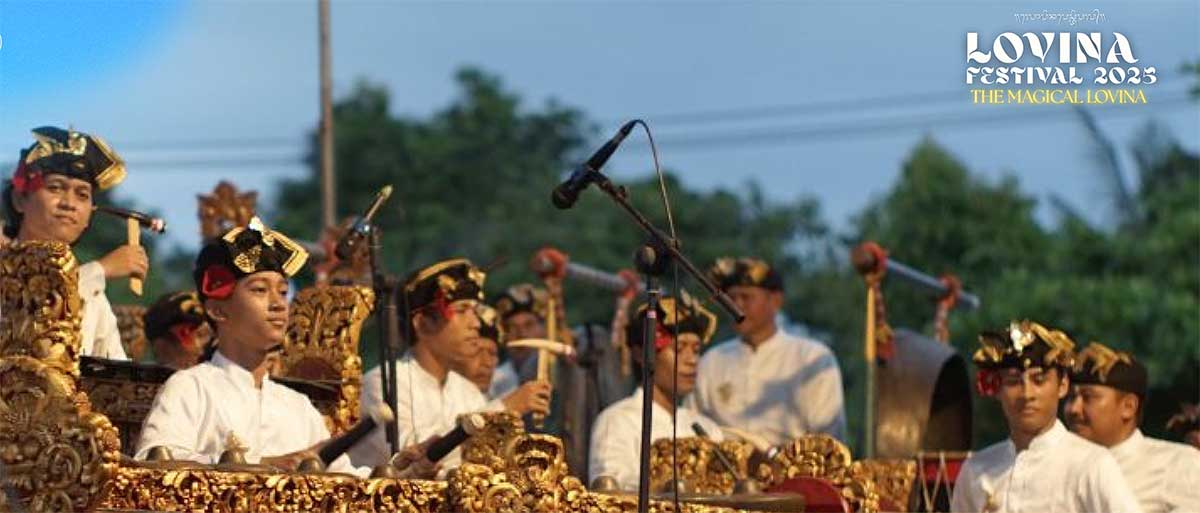
The Legendary Buleleng Gong Kebyar, a masterpiece of North Balinese gamelan art, is inextricably linked to the dynamic rivalry between its two stylistic pillars: Dangin Njung (East) and Dauh Njung (West) styles. Since ancient times, these two streams have shaped the rich identity of Buleleng's Gong Kebyar. The Dangin Njung groups tend to exhibit a musical character that is fierce and energetic, while Dauh Njung presents a forceful intensity tempered with a gentle touch.
This rivalry is not merely competition; it's a tradition that has consistently spurred extraordinary creativity. For instance, when the Dangin Njung groups captivated audiences with the Truna Jaya Dance, the Dauh Njung groups responded with equally stunning choreography, the Wiranjaya Dance. The intensity of this healthy competition even led to the creation of similar, yet distinct, iconic works such as Tari Palawakya and Tari Palawakya Dauh Njung. Through these "mebarung" or artistic showdowns.
Dangin Njung and Dauh Njung not only preserved their musical richness but also actively sustained and developed Buleleng's artistic and cultural heritage, making it a truly admirable phenomenon.
This event will take place on July 27-07-2025 at the Tasik Madu Stage